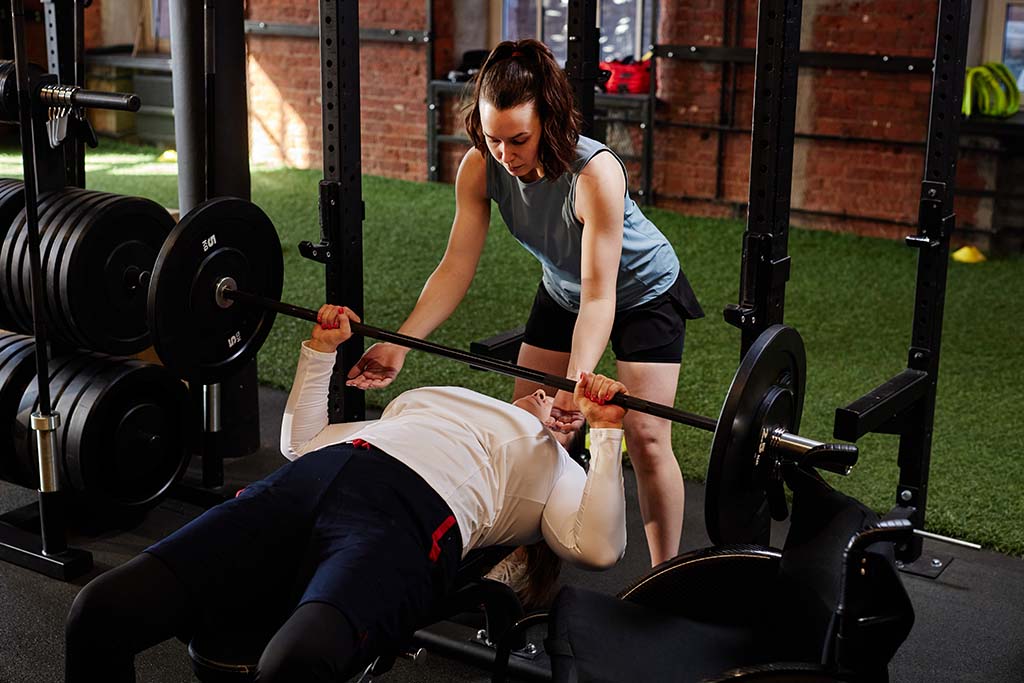

A gym is a place where people push themselves to achieve better health and fitness. However, with the use of heavy equipment and physical exertion, gyms can also be environments where accidents and injuries occur if proper health and safety measures aren’t followed. Ensuring a safe space for gym-goers is crucial for both the well-being of the clients and the reputation of the fitness facility.
According to recent UK studies, 30-40% of regular gym-goers experience injuries each year with a significant proportion related to improper use of equipment or overexertion.
According to recent UK studies, 30-40% of regular gym-goers experience injuries each year, with a significant proportion related to improper use of equipment or overexertion. These figures highlight the importance of promoting a safe and secure gym environment. Here are ten health and safety tips to ensure your gym remains injury-free and a positive space for all.

1. Ensure All Employees Are Properly Qualified
One of the most important ways to maintain a safe gym environment is by ensuring that all staff members, particularly personal trainers and fitness instructors, hold the necessary qualifications. A knowledgeable team can not only provide effective guidance but also help gym-goers avoid injuries. For personal trainers in the UK, this means holding at least a Level 3 Personal Training qualification, which equips them with an understanding of anatomy, physiology, and safe exercise techniques.
Qualified staff can also spot improper techniques or unsafe practices early, preventing potential accidents before they happen. When gym members know they are working with knowledgeable professionals, they feel more confident in their workouts, reducing the risk of injury.
2. Have a Designated First Aider on Duty
Given the physical nature of a gym, accidents are bound to happen. Therefore, it’s essential to have a designated first aider on duty during operational hours. In many UK gyms, it is a legal requirement to ensure that a trained first aider is available at all times. They should be equipped with up-to-date certification in first aid and have a clear understanding of how to manage common gym injuries such as strains, sprains, or even more serious incidents like heart attacks.
Having first aiders on-site can offer peace of mind to both employees and members. In the event of an injury, the first aider can provide immediate care, potentially preventing the situation from worsening before professional medical help arrives.
3. Conduct Regular Risk Assessments
Carrying out regular risk assessments helps to identify hazards before they cause harm. A thorough risk assessment should examine every aspect of your gym, from the equipment to the layout and the maintenance procedures. Look out for loose weights, uneven flooring, or faulty machines, all of which can pose serious threats to gym-goers if left unaddressed.
After identifying hazards, take prompt action to mitigate or remove them. This not only protects your clients but also helps to meet legal health and safety standards.
4. Keep Equipment Well-Maintained
Poorly maintained gym equipment can be a serious safety hazard. Over time, machines can wear out, cables may snap, or weights can become unstable. Ensure that you have a maintenance schedule in place to check all gym equipment regularly, and replace or repair any damaged items immediately.
Regular maintenance not only prolongs the life of your equipment but also ensures that it remains safe for users. Providing clear instructions on how to properly use machines and having staff available to demonstrate correct usage will further reduce the risk of injury.

5. Promote Proper Hygiene Practices
Health and safety aren’t just about avoiding physical injuries; it’s also about preventing the spread of germs and infections. Gyms can be breeding grounds for bacteria due to the shared use of equipment and the physical exertion of gym-goers. Ensure that your facility promotes good hygiene by providing sanitising stations, encouraging members to wipe down equipment after use, and regularly cleaning machines, mats, and changing areas.
Hygiene protocols became even more crucial during the COVID-19 pandemic and remain a key part of maintaining a safe and welcoming gym environment. Clean, well-ventilated spaces are not only healthier but more inviting for members.
6. Offer Inductions for New Members
New gym members may be unfamiliar with the equipment or unsure of how to perform exercises safely. Offering gym inductions for new clients can significantly reduce the risk of injury. During these sessions, staff can walk new members through the layout, demonstrate how to use the machines, and discuss gym etiquette, such as returning weights to their proper place.
Inductions not only ensure that members know how to use equipment safely, but they also help to build confidence. A member who knows how to exercise correctly is less likely to hurt themselves.
7. Create Clear Emergency Procedures
Every gym should have clear emergency procedures in place for incidents such as fires, power outages, or medical emergencies. These procedures should be visible and understood by both staff and members. In the event of a serious incident, staff should know how to evacuate the building quickly and safely, and members should be familiar with emergency exits.
Conduct regular drills to ensure that staff are prepared to handle emergencies, and make sure that first aid kits and defibrillators (AEDs) are easily accessible. Having emergency protocols not only saves lives but also reassures members that their safety is a priority.
8. Encourage Safe Lifting Techniques
Weightlifting is one of the most common causes of gym injuries. Improper lifting techniques can lead to muscle strains, hernias, or more severe injuries. To prevent this, gym staff should encourage proper lifting form and monitor gym members to ensure they are using the correct techniques.
Post signs around weight areas that provide tips on proper lifting techniques, such as bending the knees, keeping the back straight, and not overloading the bar. It’s also useful to offer personal training sessions focused on strength training and safe lifting practices.
9. Invest in Specialist Gym Insurance
Accidents can and do happen, and when they do, having specialist gym insurance can provide vital protection. Insurance designed specifically for gyms and fitness professionals can cover a range of incidents, including public liability, employer’s liability, and even personal accidents.
For personal trainers, investing in comprehensive coverage, such as Pro Armour Personal Trainer Insurance, ensures that you’re protected from the financial risks associated with client injuries, negligence claims, or damage to property. Not only does this safeguard your business, but it also builds trust with clients, as they know you’re prepared for any eventuality.
10. Promote a Culture of Safety
Lastly, it’s crucial to foster a culture of safety within your gym. This involves educating both staff and members about the importance of health and safety. Regular workshops, signage, and open communication channels can go a long way in building a gym environment where safety is a shared responsibility.
Encourage members to report any hazards they notice, remind them to use equipment correctly, and always offer assistance when someone appears unsure. When safety is prioritised and encouraged by all, everyone benefits.
Following these ten tips will help keep your gym injury-free and enhance the experience for your members, providing them with the peace of mind that their health and safety is a top priority.
For further peace of mind, consider investing in Pro Armour Personal Trainer Insurance, which offers tailored cover for personal trainers and gym owners, ensuring your business is protected against any unexpected incidents.